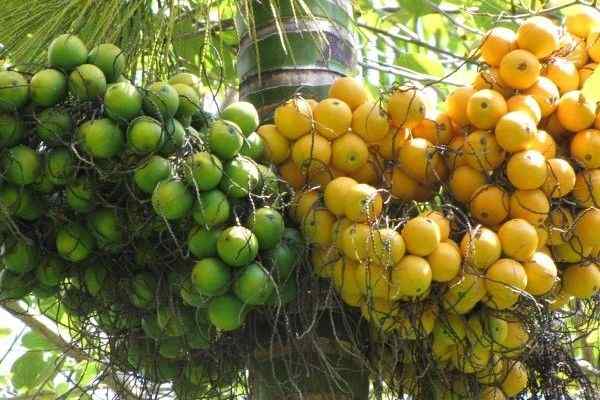
Mover pests can attack your flowering areca palm plants, which can cause holes in the spatha that should not have opened.
The result is that the male flowers of the areca plant turn black, the female flowers release fluid so the flowers fall off.
When the attack by this driving pest is severe enough, the fruit bunches turn dry, the male and female flowers become dry before entering the receptive period.
One of the driving pests that attacks areca nut plants is the flower driving Batrachedra sp.
Usually, as a result of this pest attack, the symptoms will begin to appear after 7 days, when the areca flowers change color.
Male flowers turn brown and dry due to the movement of Batrachedra sp larvae. The larvae also eat pollen which disrupts the plant pollination process.
The symptoms of this pest attack are also similar to B. Nuciferae attacks on coconut plants.
Generally, attacks by the driving pest Batrachedra sp are often found in areas with an altitude of 150 – 700 meters above sea level (mdbl).
In Indonesia itself, this pest attack occurs in East Java, Central Java, West Java, Banten, Yogyakarta Special Region, Bali, North Sulawesi, West Nusa Tenggara and East Nusa Tenggara.
Mover pest attacks vary every week, but the worst attacks usually occur in the second and third weeks after the sheath rupture process.
The Batrachedra sp pest is a nocturnal pest or pest that is active only in the afternoon and evening. They will lay eggs around male and female flowers measuring 0.1mm.
The egg hatches and a white larva with a blackish brown head emerges. The larvae will immediately eat areca nut flowers.
How to Control and Overcome Borer Pests on Areca Palm Plants
Below I will explain how to control and deal with borer pests on areca palm plants, please read:
- Carry out sanitation by cleaning the weeds around the affected areca nut farming land. Make sure you monitor the development of flowers and maintenance of areca palm plants.
- You can control it by means of biological control which utilizes natural enemies of the driving pest Batrachedra sp such as the predator Ancistrocerus sp. Usually these predators will prey on the larval stage, egg parasitoids Trichogramma sp, Anteles sp, Meteorus sp, Chelonus sp. You can multiply parasitoids in the laboratory with alternative hosts, then release them into the field during the day. Every 3 months, release 5 pairs per ha.
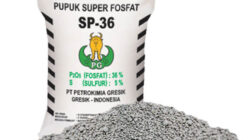
- Make sure you fertilize areca plants in a balanced, precise manner, according to your needs, so that the availability of nutrients needed by areca palm plants is sufficient, and can also reduce attacks by Batrachedra sp. Use fertilizer according to the dosage, such as when the plant is 4 years old and over, the fertilizer composition needed is 100 g N, 140 g K20, 12 kg manure and 40 g P205.
- The last way you can do is to use chemical control methods. However, make sure the dose given is not excessive, because there are concerns that it will affect the abiotic and biotic environment.
It is true, not many people have reported attacks by the Batrachedra sp driving pest,
However, you need to be careful because the level of pest attacks can reach more than 50%, which can have a negative impact on areca nut production.
Apart from that, it can also cause losses if not treated immediately when the driving pests have attacked.
That is our discussion on this occasion regarding How to Control and Overcome Borer Pests on Areca Palm Plants. Hope it is useful.
Also Read: Conditions for Growing Pinang Plants
All content and articles published on DomainJava.com are provided solely for informational and educational purposes. We strive to present accurate, relevant, and useful information, but it is not intended to violate any laws, policies, or guidelines. Any use of the information contained in the article How to Control and Overcome Borer Pests on Areca Palm Plants is entirely the responsibility of the reader.